Eden Washington · 22 October 2026
When Business Tools Multiply: Strategies for Taming Integration Overload in Dynamic Organizations
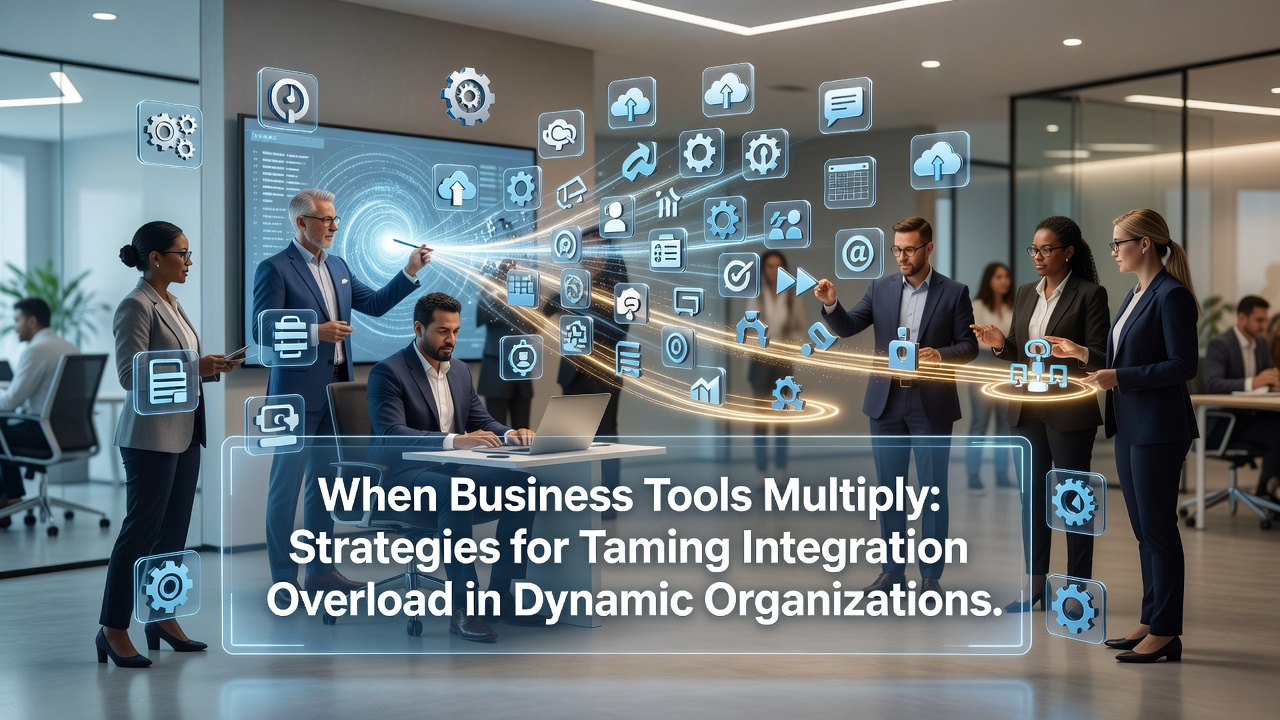
Organizations today navigate an expanding array of software applications that support operations across departments, and data from industry reports shows this growth often leads to integration challenges that affect efficiency and data accuracy. Research conducted by various academic institutions indicates that companies with more than fifty distinct tools experience measurable slowdowns in workflow processes, while those maintaining under twenty applications report smoother cross-departmental data flows. Observers note that the pace of tool adoption accelerated notably between 2023 and 2025, driven by remote work requirements and specialized function needs in sectors such as finance, healthcare, and manufacturing.
The Pattern of Tool Expansion in Modern Enterprises
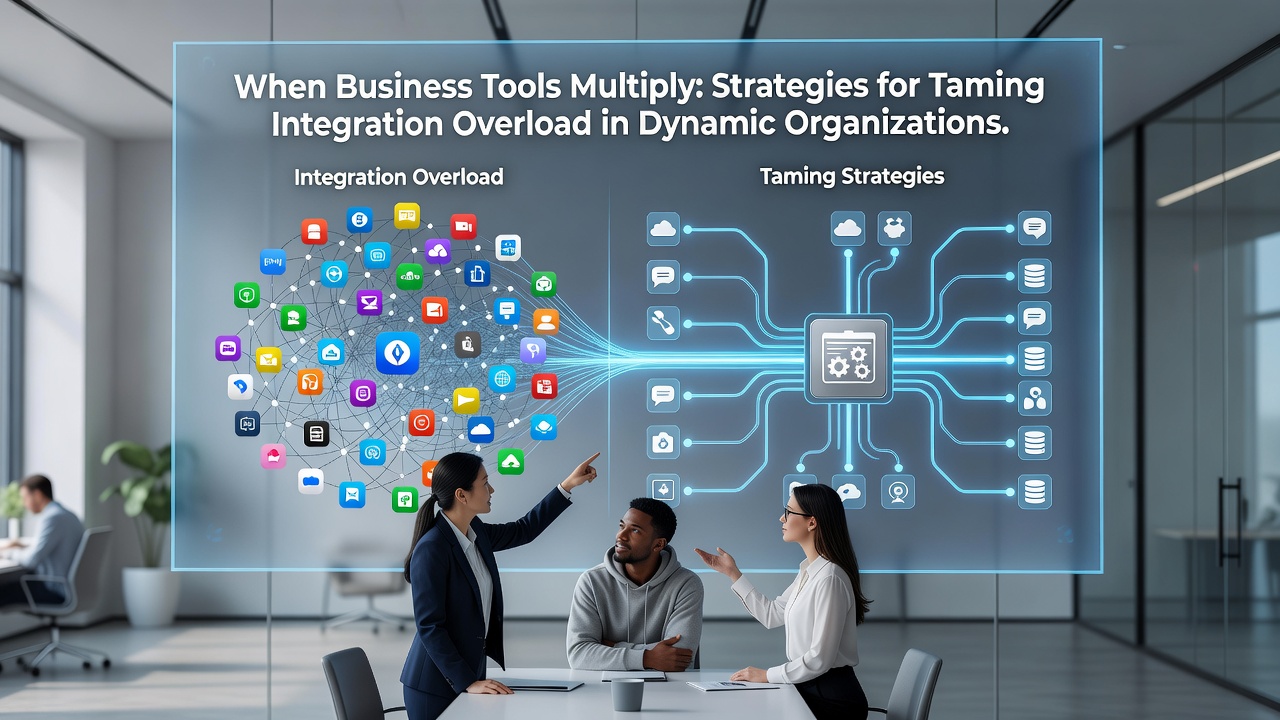
Dynamic organizations frequently add new platforms to address specific pain points, yet this incremental approach creates layers of disconnected systems over time. According to figures released by the European Commission's digital economy unit, average mid-sized firms in the EU integrated an additional twelve applications annually during the 2024 fiscal year. But here's the thing: without coordinated planning these additions compound into what analysts term integration overload, where data silos form and manual transfers become routine. Researchers at Australian universities documented similar patterns, finding that firms in the Asia-Pacific region faced comparable issues when scaling operations without standardized connectors.
One study from a Canadian research consortium revealed that teams spent an average of eighteen hours per week reconciling information across platforms, a figure that rose sharply in organizations lacking dedicated integration teams. Those who've studied this know the root causes often trace back to departmental autonomy in purchasing decisions, which prioritizes immediate functionality over long-term compatibility. Data indicates this fragmentation appears most pronounced in companies experiencing rapid growth phases, where leadership focuses on market expansion rather than infrastructure audits.
Identifying Signs of Integration Strain
Professionals in the field observe several consistent markers when overload sets in, including duplicated data entry, delayed reporting cycles, and increased error rates during information handoffs. Evidence from a 2025 OECD working paper on digital transformation highlights that organizations reporting frequent system downtime correlated these incidents directly with overlapping tool functionalities. What's interesting is how these symptoms often surface first in customer-facing departments, where real-time data access proves essential for service delivery.
Take one logistics company that expanded its suite to include separate inventory, shipping, and customer relationship tools without initial API planning; internal audits later showed reconciliation tasks consuming twenty-five percent of staff time. Researchers discovered comparable situations across multiple case examples, where the absence of centralized governance allowed redundant features to persist unchecked. Figures reveal that proactive monitoring of tool usage metrics helps surface these issues before they escalate into broader operational bottlenecks.
Approaches for Managing Tool Ecosystems
Organizations address overload through structured assessments that map current applications against business objectives, and several frameworks emphasize prioritizing core systems that support multiple functions. According to guidance from the U.S. National Institute of Standards and Technology, conducting quarterly inventories allows teams to identify underutilized tools and consolidate where overlaps exist. Those implementing such reviews often discover opportunities to retire legacy platforms that no longer align with updated processes.
API-first strategies receive attention in recent industry analyses because they enable selective connectivity without full system replacements. A report issued by Japan's Ministry of Economy, Trade and Industry in early 2026 outlines how standardized interfaces reduced integration timelines by up to forty percent in surveyed manufacturing firms. Yet observers note that successful adoption requires investment in staff training, since technical teams must understand both legacy constraints and emerging protocols. Data from academic studies further suggests middleware solutions serve as interim bridges while longer-term architecture decisions take shape.
Centralized governance models appear in documented examples where cross-functional committees evaluate new tool requests against existing infrastructure. Researchers at European business schools tracked outcomes in organizations that adopted this method, noting reductions in duplicate subscriptions and improved data consistency across departments. And in October 2026, several international conferences on enterprise technology will feature sessions dedicated to these governance practices, reflecting ongoing interest in scalable approaches.
Measuring Progress and Sustaining Improvements
Tracking key performance indicators such as data transfer times, error frequency, and user adoption rates provides objective feedback on integration efforts. Evidence suggests companies that establish baseline measurements before changes see clearer attribution of results to specific interventions. One research initiative from a South African university consortium found that firms publishing internal dashboards on tool utilization achieved higher compliance with consolidation policies.
Regular audits combined with vendor contract reviews help maintain momentum, as renewal periods offer natural checkpoints for evaluating continued necessity. Analysts point out that involving end-users in feedback loops surfaces practical constraints that technical assessments might overlook. This collaborative element appears in multiple successful implementations, where input from operational teams shaped more effective connector selections.
Conclusion
Integration overload emerges as a recurring challenge in organizations that scale their software environments without parallel coordination mechanisms, yet documented strategies demonstrate pathways toward greater coherence. Data from diverse geographic sources underscores the value of inventories, standardized interfaces, and governance structures in mitigating fragmentation effects. As enterprises continue evolving their toolsets through 2026 and beyond, sustained attention to these elements supports more reliable information flows and operational alignment across functions.